
"How Climate-Resilient Home Upgrades Can Significantly Slash Your Insurance Costs in 2026"
How Climate-Resilient Home Upgrades Can Significantly Slash Your Insurance Costs in 2026
Protecting your home against climate risks is more critical than ever. From unpredictable weather patterns to inflation in rebuilding costs, homeowners face growing challenges. In this guide, we explore practical, high-impact upgrades to reduce insurance costs while safeguarding your property.

Investing in climate-resilient upgrades protects your home and reduces insurance costs.
1. Strengthen Your Home Against Natural Disasters
Enhancing your home's structural resilience is the first step to lower insurance premiums. Reinforced roofs, impact-resistant windows, and proper drainage reduce risk significantly. Studies show homes with these upgrades can save up to 15% on premiums in high-risk areas. Use materials rated for wind, fire, and flood protection to maximize safety and savings.
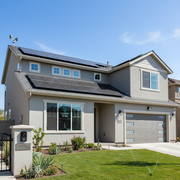
Structural upgrades reduce both risk and insurance costs.
2. Install Smart Home Monitoring Systems
Smart devices like water leak sensors, smoke alarms, and security cameras prevent or limit damage. Insurers often offer discounts for verified installations. According to Forbes Advisor, these systems lower claims frequency and can positively affect premiums.

Smart devices help mitigate risks and reduce insurance premiums.
3. Review and Understand Your Policy
Many homeowners overpay due to lack of policy knowledge. Review annually to remove redundant coverage and ensure critical protection. NerdWallet notes that informed policyholders save hundreds yearly simply by adjusting coverage and understanding exclusions.

Reviewing your insurance policy uncovers savings opportunities.
4. Ensure Proper Coverage for Home-Based Work
Standard homeowners insurance may exclude business activities. Include endorsements to cover home offices or home-based businesses. Insurance Information Institute highlights that correct coverage prevents denied claims and maintains eligibility for discounts.

Proper home-based work coverage protects finances and premiums.
5. Choose a Reliable and Competitive Insurer
Compare insurers for reliability, coverage, and available discounts. NAIC reports that selecting a financially stable insurer and reviewing customer feedback impacts both claims handling and cost efficiency.
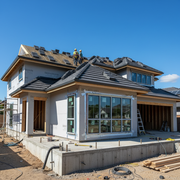
Choosing the right insurer can lead to major savings.
6. Invest in Additional Security Systems
Enhanced locks, alarms, and monitored systems signal lower risk to insurers. III studies show these measures can yield discounts while protecting property.
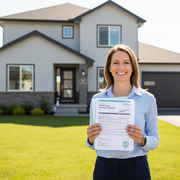
Enhanced security reduces insurance costs and risk exposure.
7. Request Quotes and Compare Premiums
Comparing quotes is essential—small percentage differences can save hundreds yearly. Use online tools or agents. NerdWallet highlights that comparison is simple yet effective.

Comparing quotes uncovers optimal premium savings.
8. Update Your Home and Contents Valuation
Accurate valuations prevent underinsurance and overpaying. Periodic appraisals and inventory updates align coverage with reality. FEMA Flood Insurance emphasizes proper valuation prevents financial loss during claims.

Accurate valuations ensure fair premiums.
9. Participate in Risk Reduction Programs
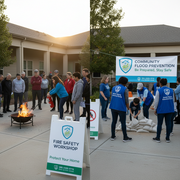
Insurers reward proactive homeowners via discounts for fire safety, flood prevention, and security workshops. Participation demonstrates low risk and can reduce premiums (III).

Participation in risk reduction programs lowers premiums.
10. Maintain a Clean Claims History
Frequent minor claims increase premiums. Avoid claiming small issues; a clean record maintains eligibility for discounts. Kiplinger states that maintaining a low-claims history is a simple way to reduce long-term costs.
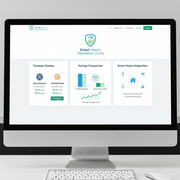
Maintaining a clean claims history helps reduce premiums.
Conclusion
Lowering home insurance costs in 2026 requires informed decisions and proactive steps. Strengthen your property, install preventive technology, review policies, and participate in risk reduction programs. Monitor coverage regularly, update valuations, and work with trusted insurers to maximize safety and financial efficiency.
Enjoy a safe, climate-resilient home with lower insurance costs.


Comments
Post a Comment