
The 2026 Strategic Home Insurance Report: Navigating Modern Property Risks
The 2026 Strategic Home Insurance Report: What Homeowners Really Need to Know
Home insurance is no longer a simple paperwork task—it has evolved into a critical financial safety net against both traditional and emerging risks. In 2026, homeowners face real challenges, not hypothetical ones: climate change, inflation-driven rebuilding costs, smart home vulnerabilities, and gaps in coverage for work-from-home activities. This article dives deep into practical realities, backed by data and case examples, to guide homeowners toward making informed insurance decisions.
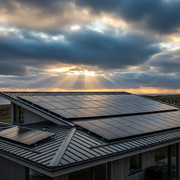
Modern homes face increasing climate risks impacting insurance rates.
1. Climate Risk Is No Longer a Future Concern
Between 2023 and 2025, several major insurers either withdrew coverage or limited policies in high-risk zones prone to wildfires, floods, and hurricanes. The primary reason is simple: losses from repeated claims are exceeding the capacity of traditional pricing models.
In 2026, insurance premiums are no longer arbitrary; they reflect location, disaster history, and reconstruction costs. Homeowners who invest in structural improvements—fire-resistant materials, flood drainage systems, reinforced roofs—may not see a huge premium reduction, but these upgrades often determine whether coverage is even offered.
According to Forbes Advisor, climate-driven insurance adjustments are now standard practice among leading U.S. insurers.
2. Smart Home Technology: Real Benefits vs. Misconceptions
Many homeowners believe that installing smart devices automatically enhances insurance coverage. The reality is more nuanced. Sensors, smart cameras, and leak detectors primarily serve to prevent or mitigate risk. They do not automatically extend coverage for damages arising from device failures or cyber intrusions.
Insurance companies in 2026 increasingly use smart home data for risk assessment, which can influence underwriting decisions and minor premium adjustments—but it is not a magic bullet. Policyholders must read their documents carefully to understand which tech-related incidents are included.

Smart home technology helps mitigate risks but does not automatically extend coverage.
Source: NAIC – Insurance & Smart Home Technology
3. Working From Home: Coverage Gaps You Must Know
One of the largest misconceptions among homeowners today is assuming that standard home insurance covers work-from-home activities. Most homeowners’ policies exclude business-related damages. Whether you run an online consultancy, freelance design studio, or e-commerce store, any claim connected to your business could be denied unless you purchase a Business Endorsement.

Policy review is essential to identify coverage gaps.
Source: Insurance Information Institute
4. Rising Premiums: Inflation and Rebuilding Costs
Premiums are climbing not merely because of “greedy insurers,” but due to real economic factors:
- Inflation in building materials
- Rising labor costs
- Reassessment of climate-related risk
In 2026, homeowners face the critical question: Is my coverage sufficient to fully rebuild my home if disaster strikes? Many older policies underestimate reconstruction costs, leaving homeowners with significant out-of-pocket exposure.
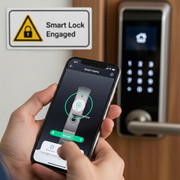
Understand limitations for home-based business activities.
Source: Strategic Insurance – Inflation Impact
5. Emerging Trends: Cybersecurity and AI in Home Insurance
Smart homes introduce cybersecurity risks. A hacked system could lead to property damage or liability claims. Insurers are experimenting with AI-driven monitoring and predictive analytics to detect risks, but coverage remains limited unless explicitly added.
Proactive homeowners should:
- Install AI-driven security and monitoring devices
- Verify policy language for cyber or IoT coverage
- Consider additional endorsements if operating connected devices for business purposes

Rising costs require careful evaluation of policy limits.
6. Practical Tips for Homeowners in 2026
- Review your policy annually and adjust coverage limits
- Invest in structural improvements and risk mitigation measures
- Understand exclusions—especially for business use and cyber risks
- Maintain documentation of home upgrades and smart devices
- Compare multiple insurers to ensure competitive and realistic pricing
Conclusion
Home insurance in 2026 is less about theoretical coverage and more about understanding **real risks and documented limitations**. Smart homeowners focus on evidence-based decisions, structural safety, and informed policy selection. By aligning coverage with actual exposure, investing in risk mitigation, and staying informed about market trends, you can protect your home and finances against unforeseen challenges.


Comments
Post a Comment