
The Complete Smart Home Insurance Guide for 2026
The Complete Smart Home Insurance Guide for 2026
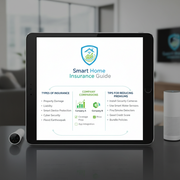
Protecting your home is one of the most important responsibilities of any homeowner. Smart home insurance provides a safety net to cover your property, belongings, and peace of mind in case of unforeseen events. This comprehensive guide will walk you through everything you need to know to make informed decisions, save money, and ensure your home is fully protected in 2026.
Why Smart Home Insurance is Essential
Home insurance safeguards homeowners from financial losses caused by events such as fires, theft, water damage, or natural disasters. Without adequate coverage, repair costs can be overwhelming, sometimes reaching tens of thousands of dollars. A well-chosen smart home insurance policy ensures that you and your family remain financially secure while offering peace of mind.
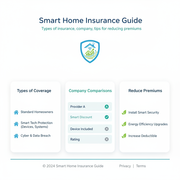
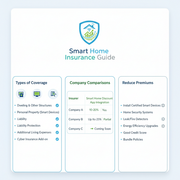
Understanding Coverage Types
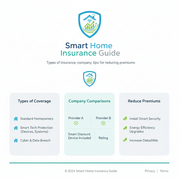
1. Property Coverage
This coverage protects the physical structure of your home against damages from fire, storms, vandalism, or other unexpected incidents. Ensure that the coverage limit is sufficient to rebuild your home in case of total loss.
2. Personal Belongings
Insurance policies typically cover personal items such as furniture, electronics, clothing, and valuables. Always check policy limits and consider additional coverage for high-value items like jewelry or art.
3. Liability Protection
Liability coverage protects you if someone is injured on your property. It can cover legal fees, medical bills, and potential settlements, safeguarding your financial well-being.
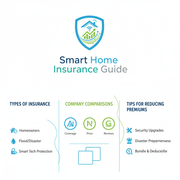
How to Compare Home Insurance Policies
- Research multiple insurance providers to find the best coverage for your needs.
- Review each company's claim settlement history and customer reviews.
- Understand policy terms, exclusions, and deductibles thoroughly.
- Consider bundling with auto or life insurance for potential discounts.
Tips to Reduce Your Home Insurance Premium
Smart strategies can help you save money without sacrificing coverage:
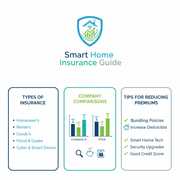
- Install home security systems, smoke detectors, and smart devices.
- Increase your deductible if you can handle minor repairs yourself.
- Ask about discounts for bundling multiple policies.
- Review and update your policy annually to adjust for new possessions or renovations.
Common Mistakes to Avoid
Many homeowners make mistakes that reduce their coverage effectiveness:
- Failing to update the policy after renovations or purchases.
- Underestimating the value of personal belongings.
- Not understanding policy exclusions.
- Choosing the cheapest policy without reviewing coverage details.
Using Smart Technology to Protect Your Home
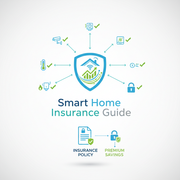
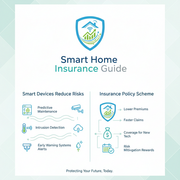
Smart home devices are no longer a luxury; they are essential tools for homeowners to reduce risks and potentially lower insurance premiums. Devices like smart smoke detectors, security cameras, motion sensors, and smart locks can alert you to problems instantly and provide proof to insurers if a claim arises.
Understanding Deductibles and Premiums
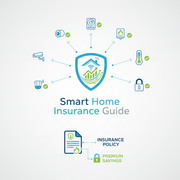
The deductible is the amount you pay out-of-pocket before your insurance covers a claim. Higher deductibles often reduce monthly premiums, but you must ensure you can afford the deductible in case of a claim. Understanding how premiums are calculated, including factors like location, home age, and security features, is essential to optimizing your policy.
Case Studies and Examples
Consider two homeowners, Jane and Mark:
- Jane installed smart locks, security cameras, and a fire alarm system. She chose a slightly higher deductible but lowered her premium by 20% annually. When a small kitchen fire occurred, her claim was approved quickly, and she was fully compensated.
- Mark had minimal safety features and went with the cheapest policy. When his home suffered water damage from a burst pipe, he faced a lengthy claims process and had to pay part of the repairs out-of-pocket due to coverage limits.
Tips for First-Time Homeowners
First-time homeowners often feel overwhelmed when selecting insurance. Here are actionable tips:
- Start by assessing the true value of your home and belongings.
- Ask questions about coverage exclusions and claim processes.
- Consider policies with bundled coverage for convenience and discounts.
- Use online tools to compare quotes and read customer reviews before choosing a provider.
Advanced Strategies to Save on Insurance
Experienced homeowners can implement advanced strategies to reduce insurance costs while maintaining coverage:
- Invest in energy-efficient home improvements — some insurers offer discounts.
- Keep detailed home inventory and photographs to simplify claims.
- Maintain a clean claims history — insurers may reward responsible homeowners.
- Regularly review your policy and adjust coverage for home renovations or upgrades.
Conclusion
Smart home insurance is not just a policy; it is a comprehensive safety net for homeowners. By understanding coverage types, comparing policies, utilizing smart home technology, and applying cost-saving strategies, you can protect your home, save money, and gain peace of mind. Implement these tips in 2026 to secure your property effectively and make informed decisions that benefit both your home and your finances.
Additional Tips for Experienced Homeowners
Even seasoned homeowners can benefit from advanced strategies to maximize coverage and reduce costs:
- Regularly review your policy for gaps in coverage, especially after renovations or major purchases.
- Consider umbrella insurance policies to add extra liability protection beyond standard coverage.
- Use smart home analytics to monitor energy usage, water leaks, and security breaches — insurers may provide discounts for proactive risk management.
- Engage with a trusted insurance broker to find policies that best match your unique needs and lifestyle.
How Technology Can Lower Your Insurance Costs
Smart devices are not just for convenience; they can significantly reduce your insurance premiums:
- Automated smoke and carbon monoxide detectors alert both you and your insurer in case of emergency.
- Water leak detectors prevent extensive water damage, potentially lowering claims.
- Security cameras and smart locks reduce burglary risk, making your home safer and cheaper to insure.
- Smart thermostats and energy-efficient systems may lead to discounts on insurance for reducing fire and damage risks.
Understanding Policy Exclusions
One of the most common mistakes homeowners make is overlooking exclusions in their policy. Typical exclusions include:
- Floods and earthquakes (often require separate policies)
- Wear and tear or maintenance issues
- Intentional damage or negligence
- High-value collectibles unless specifically listed
Knowing exclusions helps you avoid surprises during claims and ensures you choose a policy that truly fits your needs.
How to File a Claim Efficiently
Filing claims can be intimidating, but proper preparation simplifies the process:
- Keep all receipts and photographs of valuable items.
- Document damage thoroughly after any incident.
- Contact your insurer immediately and follow their specific claim procedures.
- Maintain open communication and keep records of all correspondence.
Insurance for Rental or Secondary Properties
If you own rental properties or vacation homes, standard home insurance may not cover them adequately. Consider:
- Specialized landlord insurance policies to cover tenants and rental income loss
- Additional coverage for seasonal homes against theft, vandalism, or storm damage
- Liability coverage for visitors or tenants
Final Thoughts and Action Plan
Smart home insurance is an evolving field, combining traditional protection with modern technology to keep homeowners safe and financially secure. To make the most of your policy in 2026:
- Evaluate all your properties and possessions to determine adequate coverage.
- Implement smart home technology to prevent damage and reduce premiums.
- Compare policies from multiple providers to find the best value.
- Regularly update your policy to reflect changes in your home or possessions.
- Keep detailed records and documents to simplify any future claims.
By following these strategies, you will not only protect your home effectively but also maximize your savings and peace of mind. This guide equips both new and experienced homeowners with actionable advice to navigate smart home insurance confidently.